Noise Assessments
Surveys by Castledine & Co
Noise Assessments
A noise impact assessment, more commonly known as a noise assessment, is a technical survey in which qualified engineers measure, document, and analyse the level of noise in a given area. This could be an ongoing situation, such as the noise from a factory or live music played at a Public House. Noise is measured in decibels, which are the acoustic pressures that make sound. In a residential area, the average level of decibels is around 35dB, which is between the hours of 7 am and 11 pm. At night, from 11 pm to 7 am, the level is lower to around 30dB. A nuisance noise is one that measures a minimum of 10dB above the normal background sounds. This is under the Noise Act 1996.
If you are at the planning stage of a site development in an existing residential or urban area, your Local Planning Authority (LPA) will require a Noise Impact Assessment. The councils will take the technical report, which will support your application and ensure that the new development will not affect the existing residential dwellings/properties by becoming a recurring nuisance. Construction noise should not exceed 65dB between 7 am and 7 pm under the Environment Protection Act 1990.
If you are planning to build an industrial unit with machinery, you will be required to have a Noise Impact Assessment completed for two reasons. Firstly, to ensure the noise from the unit does not affect existing residents, and secondly, to ensure that the noise from the machinery does not exceed 87dB, under the control of noise at work regulations.
The Importance of Noise Assessments
Noise assessments play a vital role in identifying and managing excessive sound levels that can impact health, wellbeing, and environmental compliance. High noise exposure from construction sites, industrial operations, transportation, or commercial activities can lead to stress, sleep disturbances, hearing problems, and reduced quality of life. Professional noise assessments help businesses, developers, and property owners measure sound levels accurately, comply with local noise regulations, and minimise disruption to surrounding communities. By conducting regular noise monitoring and acoustic assessments, organisations can improve workplace conditions, support planning applications, and implement effective noise control solutions. Investing in noise assessments demonstrates a commitment to environmental responsibility, public health, and sustainable development while helping to avoid legal issues and complaints.
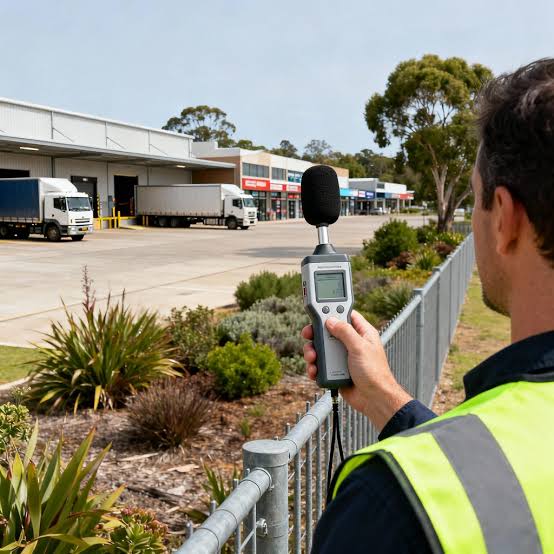
Our Noise Impact Engineers will conduct a noise assessment not just on your development but also on the external noise coming from industry.
Price srsrta from £812.50