Drainage Strategy
Drainage Strategy from Castledine & Co
Drainage Strategies
A Drainage Strategy is a specific plan structured to identify the management of surface water runoff and the management of foul water (sewage), while at the same time reducing localised flood risks. Sustainable Drainage Systems (SuDS) are the most common strategy used in modern times; they are an ecologically friendly strategy that naturally slows down the rainwater runoff from overloading the sewer networks. This is achieved by using permeable paving, grassed areas with attenuation units underneath to naturally return rainwater into the ground, where the pollutants get filtered out through the ground, so it is clean when it finally returns to the waterways.
A standard drainage strategy will show and explain how the system will safely manage both rainwater/surface water runoff and the foul water. It will explain the use of filtration, attenuation tanks, and soakaway systems, including ground conditions, soil permeability, and water discharge points such as reed beds, rain gardens, and wetlands. A professional drainage strategy report will satisfy the Lead Local Flood Authority (LLFA) and the Local Planning Authority (LPA) to give you a successful planning application. By having a professional strategy, you will ultimately contribute to the biodiversity and local ecology. This is because your strategy will create wildlife habitats for more urban wildlife, and natural vegetation will grow better with the cleaner water that has been naturally filtered through the ground.
The Importance of a Drainage Strategy
A well-defined drainage strategy is the backbone of sustainable site design, serving as a comprehensive roadmap for managing water across a development's entire lifecycle. Beyond mere pipework, a robust strategy integrates Flood Risk Assessments (FRA) and Sustainable Drainage Systems (SuDS) to ensure that every drop of runoff is accounted for, treated, and discharged safely. By addressing water management at the earliest planning stages, a drainage strategy prevents costly retrospective fixes, simplifies regulatory compliance, and protects the long-term integrity of both the built environment and the natural landscape. Ultimately, prioritising a strategic approach to drainage minimizes environmental impact and bolsters a project’s resilience against the increasing frequency of extreme weather events.
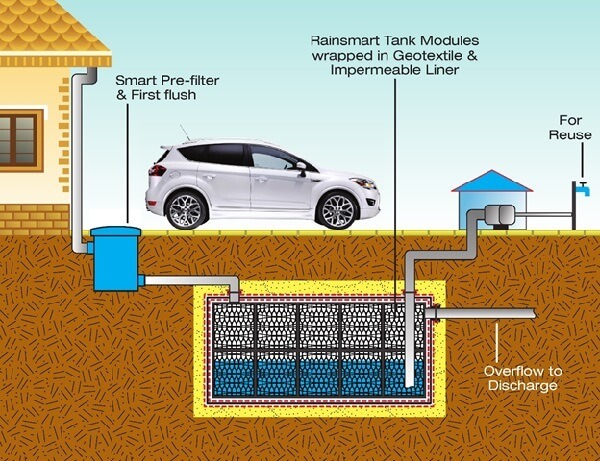
Our Specialised drainage Engineers will design a drainage Strategy which will conform to building regulations (part H drainage and waste disposal).
Price starts from £1,250